







Search Results for: Identification Methods

Coffee Processing Methods Compared: A Detailed Explanation of the Process Differences, Flavor Characteristics, and Identification Methods of Natural and Washed Coffee
In the specialty coffee world, natural and washed are the two oldest and most widely used processing methods, and they directly determine the degree of fermentation in green beans and the flavor direction of the final cup. Processing refers to the process of removing non-bean materials such as skin and pectin from harvested coffee cherries and drying them to a suitable moisture content. Because the procedures differ, the beans' individual characteristics vary strikingly, and experienced enthusiasts can often identify the processing method from just one sip. This article will break down the complete steps of natural and washed one by one, compare the causes of their flavors, and share practical tips for identifying green beans, while also drawing on Front Street Coffee's daily sharing to help you understand these two processing methods more systematically. [more…]
A Detailed Explanation of the Jamaican Blue Mountain Coffee Grading System: From Blue Mountain No. 1 to PB Peaberry—Grading Standards and Identification Methods
Blue Mountain coffee is hailed as the finest of coffees, yet the "Blue Mountain style" products on the market are far removed from authentic Jamaican Blue Mountain. This article systematically sorts out the coffee grading system of Jamaica's Blue Mountain region, covering the three major categories—Blue Mountain Coffee, High Mountain Coffee, and Jamaican Coffee—as well as the sub-classifications of NO.1, NO.2, NO.3, and PB. It also shares identification tips provided by Front Street Coffee—genuine Blue Mountain coffee comes in wooden barrel packaging and is accompanied by a Jamaican government certificate. The article further documents in detail the complete brewing parameters and flavor profile of Front Street's brewing of Clifton Mount Estate Blue Mountain coffee, helping enthusiasts build an accurate understanding of authentic Blue Mountain coffee. [more…]
Jamaican Blue Mountain Coffee Flavor Characteristics, Bean Grade Classification, Authenticity Identification Methods, and Market Price Analysis
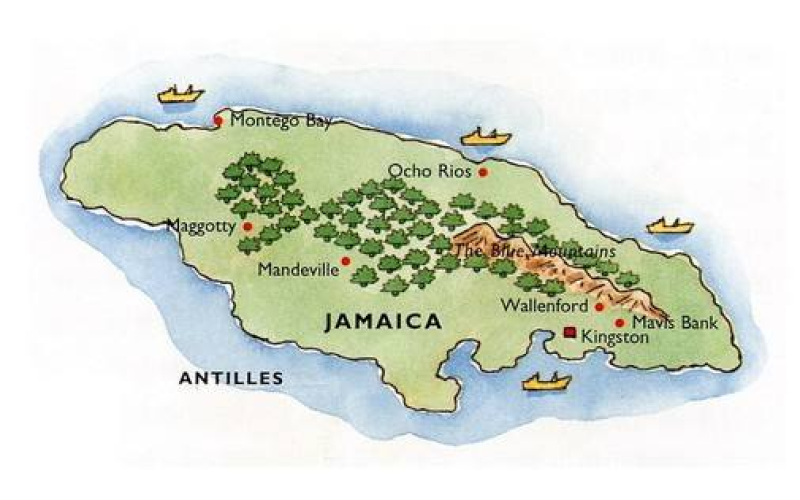
Jamaica Blue Mountain coffee is renowned as one of the world's top coffees, with its acidity, sweetness, body, and bitterness in balanced harmony, a rich aroma, and a smooth entry. The authentic Blue Mountain production area is limited in size and its output is scarce, and the so-called Blue Mountain coffee circulating on the market is a mix of genuine and fake. This article will systematically sort through multiple dimensions including the origin divisions of Blue Mountain coffee, grade classifications, flavor characteristics, brewing parameters, authenticity identification methods, and international market conditions, to help coffee enthusiasts gain a comprehensive understanding of this legendary coffee, and will also include Front Street Coffee's recommendations and certification information. [more…]
From Extraction Methods to Resting Periods: A Practical Guide to Coffee Bean Selection and Grade Identification
Faced with the bewildering array of bean listings on shopping platforms and the dazzling choices in coffee shops, many coffee lovers often don't know where to start. In fact, choosing coffee beans isn't complicated—just grasp a few key dimensions: the brewing method determines the bean type to choose, the roast date and resting period affect flavor expression, and the origin and roast level directly influence the taste direction. In addition, coffee names often hide grade information, and recognizing these details can help you quickly lock in high-quality beans. This article will systematically sort out practical knowledge for buying coffee beans from aspects such as brewing method, packaging labels, origin flavors, grade identification, and the trade-off between whole beans and ground coffee, and combine it with Front Street Coffee's product examples to help you find the one that best suits your taste. [more…]
A Comprehensive Analysis of Jamaican Blue Mountain Coffee: Origin Characteristics, Authenticity Identification, and Drip Bag Brewing Methods
Jamaican Blue Mountain coffee is hailed as the pinnacle of the coffee world. Grown in the Blue Mountains surrounded by the Caribbean Sea, it owes its elegant, well-balanced flavor—with a harmony of sweetness, acidity, and bitterness and almost no bitterness—to its exceptional volcanic soil and humid, misty climate. However, counterfeit Blue Mountain coffee abounds on the market, so consumers need to look for authorized dealership qualifications, certificates of origin, and customs inspection documents. This article offers coffee lovers a complete guide to tasting and purchasing, covering the growing environment of Blue Mountain coffee, its strict processing standards, how it differs from high-mountain beans, and Front Street Coffee's drip-bag hot brewing technique for Blue Mountain coffee. [more…]
Jamaica Blue Mountain Coffee Bean Flavor Analysis: Washed vs. Natural Processing Differences and Authenticity Identification Guide
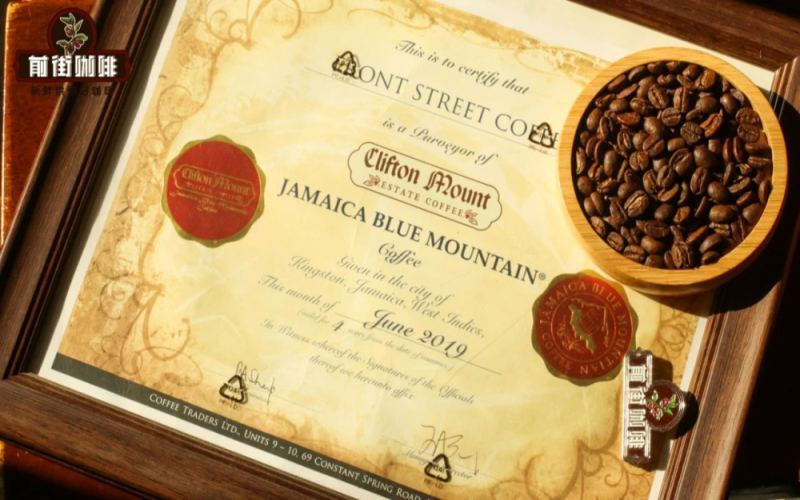
Jamaican Blue Mountain coffee has long stood at the pinnacle of specialty coffee thanks to its balanced, elegant flavor and scarce production. This article focuses on Front Street Blue Mountain coffee, systematically sorting out its origin environment, identification points, historical policies, and variety origins, and highlighting a comparison of the flavor differences between two Blue Mountain coffees from Clifton Estate: washed and natural. At the same time, it explains in detail the operational processes of the two processing methods, natural and washed, helping coffee enthusiasts fully understand the preciousness of Blue Mountain coffee and the logic of tasting it. [more…]
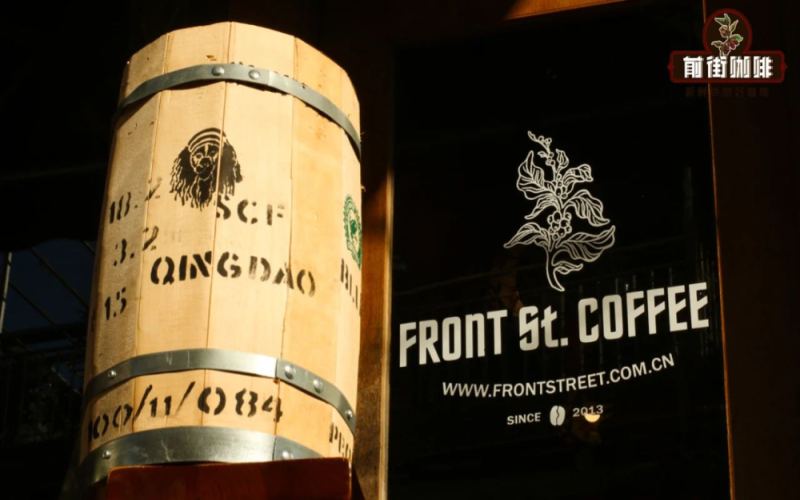
A Comprehensive Guide to Jamaica Blue Mountain No. 1 Coffee Beans: Origin Tracing, Grade Classification, Authenticity Identification, and Pour-Over Flavor Details
Jamaican Blue Mountain coffee is world-renowned, but the market is flooded with imitations, and "Blue Mountain flavor" and authentic Blue Mountain are often lumped together. From the perspective of Front Street Coffee, this article systematically sorts out the historical origins, legally defined growing regions, grading standards, and identification methods of Jamaica Blue Mountain No. 1, and takes a deep dive into the flavor differences brought by washed and natural processing methods. Whether you want to confirm the authenticity of that bag of Blue Mountain beans in your hands, or want to understand Front Street's approach to roasting and brewing Blue Mountain coffee, this article will provide a complete and practical reference. [more…]
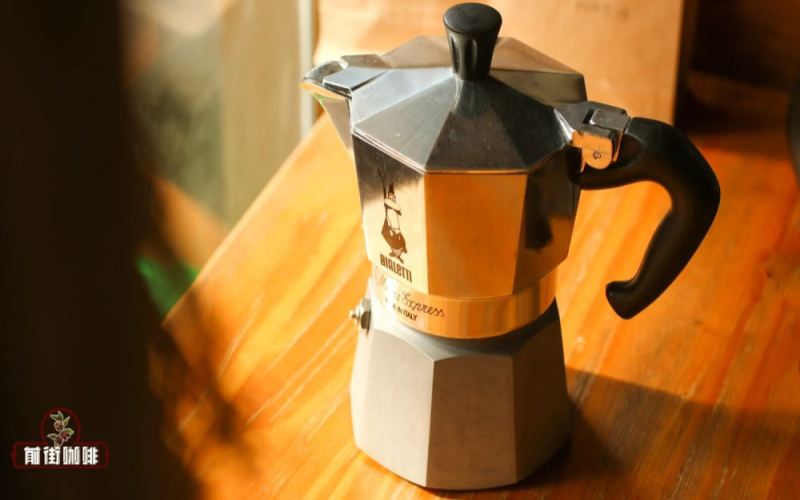
Bialetti Moka Pot Buying Guide: Coffee Bean Pairing Tips and Authenticity Identification Key Points Explained
As a representative device for home espresso, the moka pot has specific requirements for coffee bean selection due to its extraction method. Starting from the historical origins and authentic features of the Bialetti moka pot, this article systematically outlines the roasting direction for coffee beans suitable for moka pots, and for the three flavor orientations of balanced, fruity, and nutty, respectively recommends products such as Front Street Classic Espresso Blend, Front Street Strawberry Candy, and Front Street Brazil Queen's Estate, while also providing practical advice on freshness management. Whether you are a beginner who has just acquired a moka pot or an advanced player hoping to improve the consistency of your brews, you can find actionable bean-selection ideas and identification methods here. [more…]
Jamaica Blue Mountain Coffee Brand Roundup and Pour-Over Tutorial: From Origin History to Authenticity Identification Explained
Blue Mountain coffee has long been in a state of short supply due to its scarce production. There are many products on the market under the Blue Mountain banner, but which brands are truly Jamaican Blue Mountain? How can you tell the real from the fake? And how should it be brewed to bring out its balanced, sweet, and mellow flavor? This article begins with the cultivation history of Blue Mountain coffee and its three major production regions, sorts out the varieties, processing methods, and flavor characteristics of Blue Mountain coffee, and introduces in detail the pure secrets and identification points of Front Street Blue Mountain coffee. Finally, it includes a set of pour-over Blue Mountain coffee parameter plans to help coffee lovers gain a comprehensive understanding of this world-class coffee. [more…]

Analysis of Jamaican Blue Mountain Coffee Flavor Characteristics: Nutty Aroma, Mouthfeel Layers, Authenticity Identification, and Price Guide
Jamaican Blue Mountain coffee has long ranked among the world's top coffees, thanks to its balanced ratio of acidity, sweetness, and bitterness and its smooth, full-bodied mouthfeel. However, it is common in the domestic market for "Blue Mountain flavor" products to be passed off as "Blue Mountain coffee," and ordinary consumers often find it hard to tell the difference. Starting from the origin background and certification system of Blue Mountain coffee, this article systematically introduces eight practical methods for verifying authenticity, covering multiple dimensions such as taste, packaging, grade, appearance, grinding feel, and aroma, and uses the bestselling Clifton Estate Blue Mountain No. 1 from Front Street Coffee as an example to provide specific flavor descriptions and brewing parameter suggestions, helping coffee lovers gain a comprehensive understanding of this legendary coffee. [more…]
Analysis of Authentic Jamaican Blue Mountain Coffee Prices and Purchasing Channels, with Grade Identification and Flavor Characteristics
Blue Mountain coffee is hailed as the "beauty of coffees," renowned worldwide for its balanced, elegant flavor. However, the prices and sales channels for Blue Mountain coffee beans in the domestic market have long been chaotic, with Blue Mountain flavors and authentic Blue Mountain coffee hopelessly mixed together. This article systematically sorts out the grading, flavor characteristics, identification methods, and purchasing channels of Jamaican Blue Mountain coffee, and introduces the authentic Blue Mountain coffee bean products of the Front Street flagship store, helping coffee lovers see authentic Blue Mountain coffee for what it really is and avoid being misled by confusing concepts when making purchases. [more…]
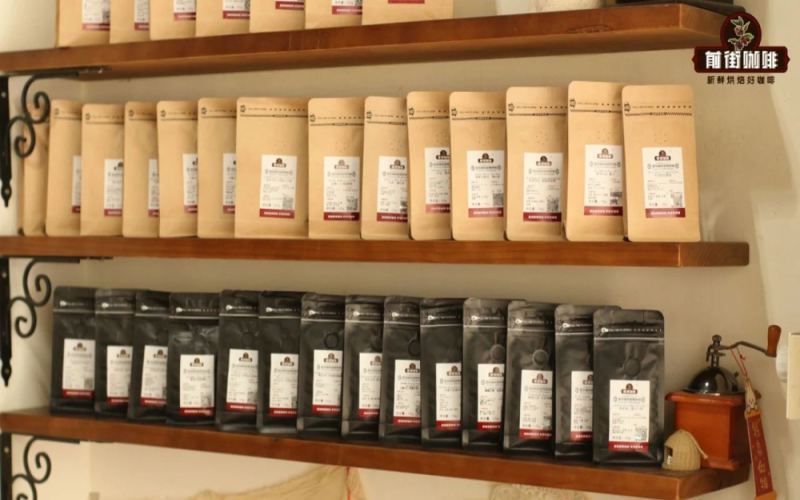
Coffee Roast Level Identification Guide: From Appearance Color to the SCAA Color Value System, a Full Analysis of the Taste Characteristics of Espresso and American Coffee Beans
The flavor profile of coffee beans is largely determined by the roast level. For coffee enthusiasts, mastering methods to distinguish light from dark roasts can both help in selecting suitable beans and allow for a more accurate understanding of the flavor descriptions on packaging. From the perspective of Front Street Coffee, this article outlines three practical ways to judge: first, by visually observing the bean surface color and wrinkle condition; second, by inferring the roast range from flavor descriptors; third, by referring to the SCAA's Agtron infrared caramelization measurement standard, which categorizes eight color values into four major groups. The article also includes Front Street product recommendations for each roast level, for everyday purchasing reference. [more…]
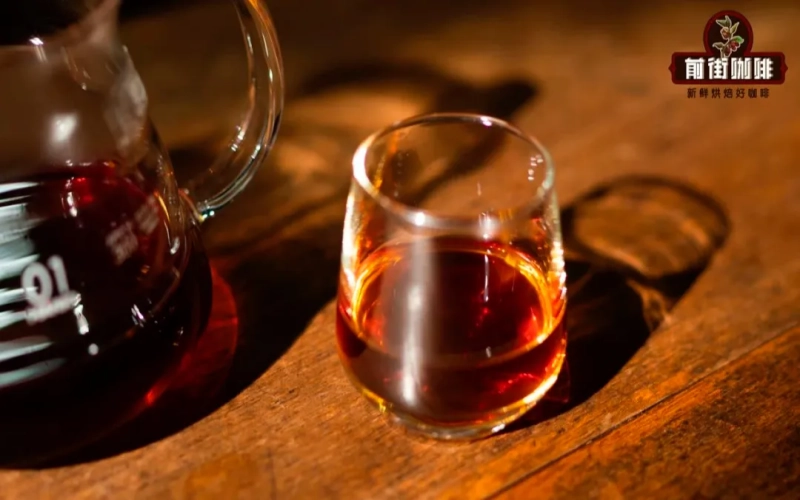
Why Is Coffee Floral Aroma So Hard to Detect? Explaining the Causes of Floral Aroma, Three Major Aroma Types, and Sensory Identification Training Methods
Many coffee enthusiasts, when brewing beans with prominent floral and fruity notes, can capture the floral aroma right from the grinding stage, but some people are never able to perceive this flavor. Where exactly does the floral aroma in coffee come from? Why are some people sensitive and others dull to it? Starting from Front Street's brewing experience, this article sorts out the compound sources of floral aroma and the influence of roasting, introduces the three major floral aroma categories in the coffee flavor wheel—delicate/fresh, subtle/elegant, and muted/heavy—along with their representative flowers, and shares a practical method for practicing floral aroma recognition with the help of sinus perception, to help you more accurately capture that fleeting fragrance in coffee. [more…]
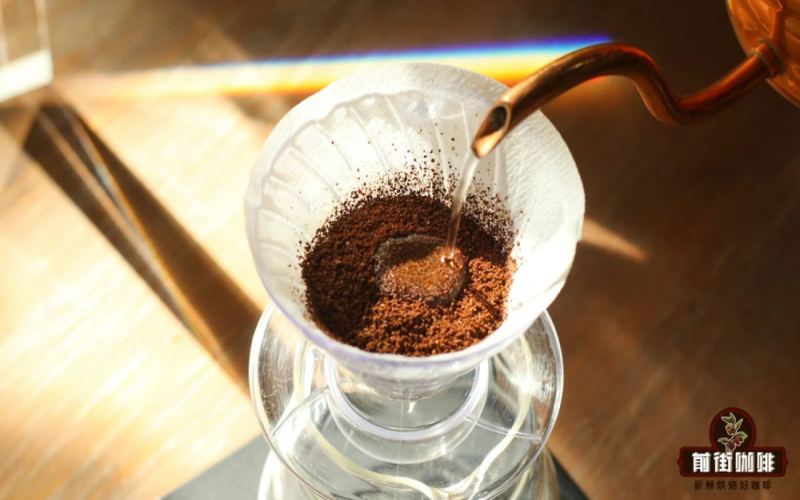
A Detailed Guide to Coffee Extraction Imbalance: Causes, Identification Methods, and Specific Flavor Impacts of Over-Extraction and Under-Extraction
Extraction is the core process behind coffee flavor. Not all soluble compounds in coffee beans are pleasant, and the degree of extraction directly determines what ends up in the cup. Over-extraction releases too many large-molecule substances, bringing bitterness, astringency, and off-flavors; common causes include excessively long contact time, water temperature that is too high, or grinding that is too fine. Under-extraction, by contrast, occurs because flavor compounds are not dissolved sufficiently, resulting in a thin body, prominent bitterness, and imbalance; it is mostly associated with grinding that is too coarse, water temperature that is too low, or a brew ratio that is too high. This article systematically sorts out the definitions, causes, and diagnostic methods for both, and, in combination with specific products under Front Street Coffee such as Mandheling, Queen Estate, Blue Mountain, Huakui, Green Label Geisha, and Kenya Little Tomato, explains reasonable brewing parameters for medium-dark and medium-light roasted beans to help enthusiasts adjust extraction precisely. [more…]
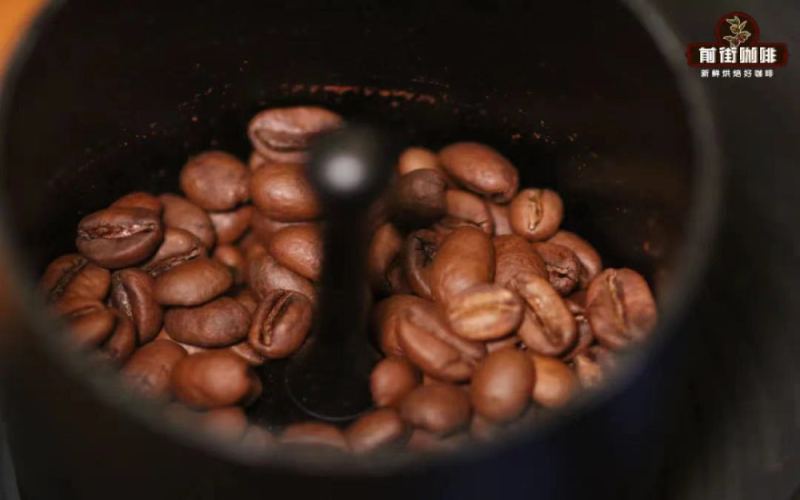
The Complete Guide to Resting Hand-Pour and Espresso Coffee Beans: Optimal Degassing Times and Identification Methods for Different Roast Levels
Why do freshly roasted coffee beans need to rest for a period? How does carbon dioxide release affect extraction and flavor? Drawing on the practical experience of Front Street Coffee, this article systematically explains the principles and necessity of resting beans, and provides recommended resting days for three roast levels: light-medium, medium, and medium-dark. At the same time, you will learn how to judge whether coffee beans have finished degassing by observing the blooming state in pour-over brewing and the crema performance of espresso, as well as how to flexibly adjust the resting period under low winter temperatures. Whether you prefer pour-over or espresso, these practical tips can help you present coffee's fullness and cleanliness more consistently. [more…]
A Complete Guide to Coffee Defects: Ten Common Types, Causes, and Identification Methods Illustrated
The content of defective beans directly affects coffee quality and grade classification. Taking Brazil as an example, the local system uses a "deduction method," grading based on the number of defective beans per 300 grams of main beans. In addition, coffee usually requires hand sorting during processing, and only by fully mastering the types and characteristics of defective beans can they be effectively removed. So exactly how many types of defective beans are there? This article will use illustrated explanations to introduce ten common defective beans one by one, including shell beans, stones, moldy beans, fermented beans, dead beans, immature beans, shell beans, insect-damaged beans, black beans, and cocoa beans, explaining their causes, appearance characteristics, and negative effects on coffee flavor, laying the foundation for subsequent learning about defective bean selection. [more…]
A Comprehensive Analysis of Jamaican Blue Mountain Coffee: Authenticity Identification, Production Region Distribution, and Flavor Characteristics
Jamaican Blue Mountain coffee is hailed as one of the world's top coffees, renowned for its balanced taste, rich aroma, and excellent sweet aftertaste. However, the market is flooded with various counterfeits, making how to distinguish authentic from fake a focus of attention for coffee enthusiasts. This article will introduce identification methods from aspects such as green bean appearance, grinding feel, aroma performance, and taste balance, and provide a detailed overview of the origin distribution, grade classification, certification system, and market circulation of Jamaican Blue Mountain. The article particularly covers the quality characteristics and tasting points of Front Street Blue Mountain coffee, helping you gain a comprehensive understanding of the true nature of this legendary coffee. [more…]
Jamaican Blue Mountain Coffee Beans: Flavor Characteristics, Authenticity Identification, Clifton Estate, and Washed vs. Natural Comparison
Jamaican Blue Mountain coffee has always been a legend in the specialty coffee world, known for its balanced, elegant flavor and scarce production. Front Street Coffee takes you on a deep dive into Blue Mountain coffee's growing conditions, flavor characteristics, methods for verifying authenticity, and the unique status of Clifton Estate. The article also compares the flavor differences brought by washed and natural processing methods, and introduces Blue Mountain coffee's historical origins, variety sources, certification standards, and current market situation. Whether you are a beginner just encountering Blue Mountain or a seasoned enthusiast looking to further understand the differences between processing methods, you will find valuable information here. [more…]
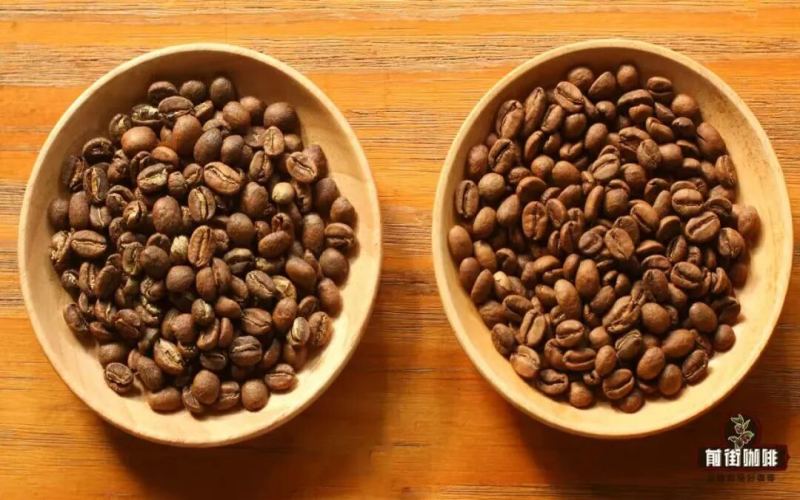
Coffee Bean Identification | What Are the Differences Between Washed and Natural Coffee? How Can Coffee Beginners Learn to Tell Natural Beans from Washed Beans?
If you often drink pour-over coffee, Front Street believes you've probably seen friends who can tell washed and natural processed coffee apart at a glance, or with a single sip. Because they distinguish them so quickly, many friends are amazed and wonder how on earth they do it. Just yesterday, [more…]
From green bean appearance to cup flavor: Five steps to accurately identify authentic Jamaican Blue Mountain coffee
Blue Mountain coffee is hailed as one of the world's top coffees, yet the market is flooded with countless counterfeits. How can you tell real Blue Mountain from fake? This article approaches the question from five dimensions to help you systematically master the methods of identification. First, observe the appearance of the green beans and how they change after roasting; next, feel the differences in texture when hand-grinding; then make a judgment based on the intensity of the aroma; finally, confirm comprehensively through the balance of the flavor and the overall experience while drinking. Genuine Front Street Jamaican Blue Mountain coffee displays unique characteristics in all five of these aspects, and these traits are precisely what blended beans find hard to replicate. Master these key points, and you too can develop a keen eye for telling real Blue Mountain from counterfeit. [more…]